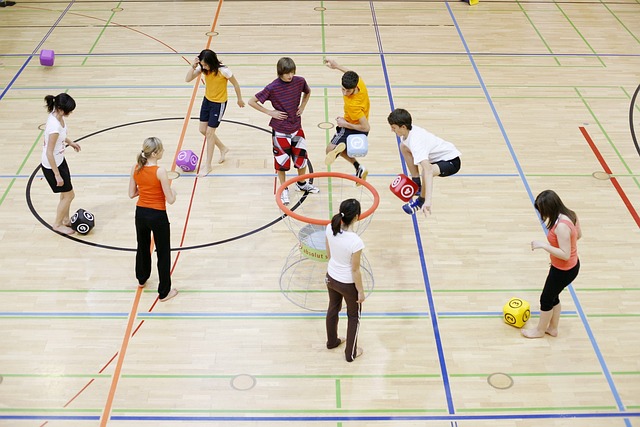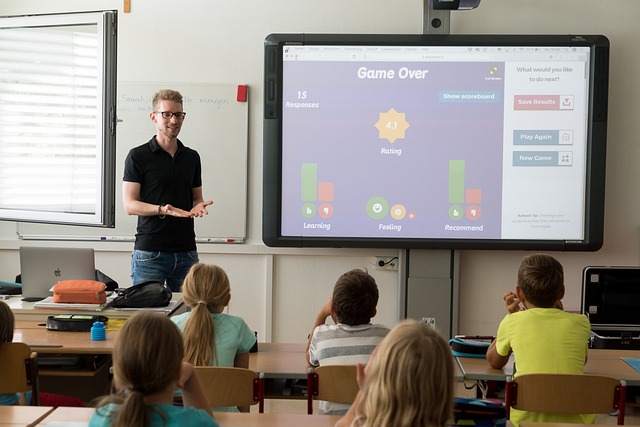
小学生英语课堂小游戏?游戏说明:教师手持单词卡片,学生根据卡片内容做出相应的舞蹈动作,以此进行单词的操练。翘翘板(Play on the See-saw)游戏说明:教师与学生进行单词操练,但学生需做出与教师相反的动作。蜘蛛侠(Spiderman)游戏说明:学生大声喊出单词帮助蜘蛛侠爬上高楼,适用于单词和句型的操练。那么,小学生英语课堂小游戏?一起来了解一下吧。
6 Best Games for ESL Teachers Abroad
Games and fun activities are a vital part of teaching English as a foreign language. Whether you’re teaching adults or children, games will liven up your lesson and ensure that your students will leave the classroom wanting more.
Games can be used to warm up the class before your lesson begins, during the lesson to give students a break when you’re tackling a tough subject, or at the end of class when you have a few minutes left to kill. There are literally hundreds, probably thousands, of games that you can play with your students. EFL games are used to test vocabulary, practice conversing, learn tenses - the list is endless.
This list of ten classic ESL games every teacher should know will help get you started and feeling prepared. Having these up your sleeve before stepping into the classroom will ensure your lessons run smoothly, and, should things get a little out of control, you’ll be able to pull back the attention of the class in no time.
1. Board Race
There isn’t an EFL teacher I know who doesn’t use this game in the classroom. Board Race is a fun game that is used for revising vocabulary, whether it be words from the lesson you’ve just taught or words from a lesson you taught last week. It can also be used at the start of the class to get students active. It is a great way of testing what your students already know about the subject you’re about to teach.
How to play:
First, watch this helpful video of real teachers using this game in the classroom by BridgeTEFL:
This is best played with 6 students or more - the more, the better. I’ve used it in classes ranging from 7-25 years of age and it’s worked well in all age groups. Here's a step by step explanation:
Split the class into two teams and give each team a colored marker.
If you have a very large class, it may be better to split the students into teams of 3 or 4.
Draw a line down the middle of the board and write a topic at the top.
The students must then write as many words as you require related to the topic in the form of a relay race.
Each team wins one point for each correct word. Any words that are unreadable or misspelled are not counted.
2. Call My Bluff / Two Truths and A Lie
Two truths and a lie
Call My Bluff is a fun game which is perfect at the start of term as a ‘getting to know you’ kind of game. It is also a brilliant ice breaker between students if you teach classes who do not know one another -- and especially essential if you are teaching a small class size.
The game is excellent for practicing speaking skills, though make sure you save a time for after the game to comment on any mistakes students may have made during the game. (I generally like to reserve this for after the game, so you don't disrupt their fluency by correcting them as they speak).
With older groups you can have some real fun and you might be surprised what you’ll learn about some of your students when playing this particular EFL game.
How to play:
Write 3 statements about yourself on the board, two of which should be lies and one which should be true.
Allow your students to ask you questions about each statement and then guess which one is the truth. You might want to practice your poker face before starting this game!
If they guess correctly then they win.
Extension: Give students time to write their own two truths and one lie.
Pair them up and have them play again, this time with their list, with their new partner. If you want to really extend the game and give students even more time to practice their speaking/listening skills, rotate partners every five minutes.
Bring the whole class back together and have students announce one new thing they learned about another student as a recap.
3. Simon Says
This is an excellent game for young learners. Whether you’re waking them up on a Monday morning or sending them home on a Friday afternoon, this one is bound to get them excited and wanting more. The only danger I have found with this game is that students never want to stop playing it.
How to Play:
Stand in front of the class (you are Simon for the duration of this game).
Do an action and say Simon Says [action]. The students must copy what you do.
Repeat this process choosing different actions - you can be as silly as you like and the sillier you are the more the children will love you for it.
Then do an action but this time say only the action and omit ‘Simon Says’. Whoever does the action this time is out and must sit down.
4. Word Jumble Race
This is a great game to encourage team work and bring a sense of competition to the classroom. No matter how old we are, we all love a good competition and this game works wonders with all age groups. It is perfect for practicing tenses, word order, reading & writing skills and grammar.
How to play:
This game requires some planning before the lesson.
Write out a number of sentences, using different colors for each sentence. I suggest having 3-5 sentences for each team.
Cut up the sentences so you have a handful of words.
Put each sentence into hats, cups or any objects you can find, keeping each separate.
Split your class into teams of 2, 3, or 4. You can have as many teams as you want but remember to have enough sentences to go around.
Teams must now put their sentences in the correct order.
The winning team is the first team to have all sentences correctly ordered.
5. Hangman
Hangman
This classic game is a favorite for all students but it can get boring quite quickly. This game is best used for 5 minutes at the start to warm the class up or 5 minutes at the end if you’ve got some time left over. It works no matter how many students are in the class.
How to play:
In case you've never played, here's a quick rundown.
Think of a word and write the number of letters on the board using dashes to show many letters there are.
Ask students to suggest a letter. If it appears in the word, write it in all of the correct spaces. If the letter does not appear in the word, write it off to the side and begin drawing the image of a hanging man.
Continue until the students guess the word correctly (they win) or you complete the diagram (you win).
6. Pictionary
This is another game that works well with any age group; children love it because they can get creative in the classroom, teenagers love it because it doesn’t feel like they’re learning, and adults love it because it’s a break from the monotony of learning a new language - even though they'll be learning as they play.
Pictionary can help students practice their vocabulary and it tests to see if they’re remembering the words you’ve been teaching.
How to play:
Before the class starts, prepare a bunch of words and put them in a bag.
Split the class into teams of 2 and draw a line down the middle of the board.
Give one team member from each team a pen and ask them to choose a word from the bag.
Tell the students to draw the word as a picture on the board and encourage their team to guess the word.
The first team to shout the correct answer gets a point.
The student who has completed drawing should then nominate someone else to draw for their team.
Repeat this until all the words are gone - make sure you have enough words that each student gets to draw at least once!
小学英语课堂游戏可以设计得既有趣又富有教育意义,以下是一些建议:
一、角色扮演游戏对话表演:选取课本中的对话内容,让学生分角色进行表演。这不仅能锻炼他们的口语表达能力,还能增强他们的表演欲和自信心。表演时,学生可以手持书本作为道具,增加真实感。
二、单词接龙游戏规则说明:老师先说出一个单词,然后学生需以该单词的最后一个字母作为下一个单词的首字母,依次接龙。这个游戏能有效帮助学生复习和巩固单词记忆。
三、你画我猜游戏游戏方式:老师或学生用英语描述一个单词或短语,其他学生根据描述进行绘画,然后由描述者或其他同学猜测所画内容。这个游戏能激发学生的想象力和创造力,同时锻炼他们的英语描述能力。
四、小组竞赛游戏形式多样:可以设计如单词拼写比赛、快速问答、听力抢答等多种形式的小组竞赛。通过竞赛,激发学生的竞争意识和团队精神,同时也能让他们在轻松愉快的氛围中学习英语。
以下是74个英语课堂小游戏的详细介绍:
第一类:口语交流小游戏
看谁说得更快:从A到Z快速说出单词,锻炼学生的反应速度和词汇量。
名字接龙:以字母顺序接龙名字,增强学生对字母和单词的记忆。
转述游戏:传递故事,锻炼学生听力、记忆力和口语表达能力。
电话里说什么:快速传递信息,模拟真实场景,提高口语交流能力。
连续问答:快速问答,锻炼学生反应速度和语言组织能力。
第二类:轮流表演小游戏
剧本游戏:表演卡牌内容,激发学生的表演欲望和创造力。
至少有一个:在限定时间内表演动作或角色,培养学生的团队协作和表现力。
跟我走:模仿老师动作,锻炼学生的观察力和模仿能力。
认知挑战:表演或描述特定主题或语言的场景,提升学生的语言理解和表达能力。
黑白游戏:找出“黑羊”并逃脱游戏,培养学生的逻辑思维和推理能力。
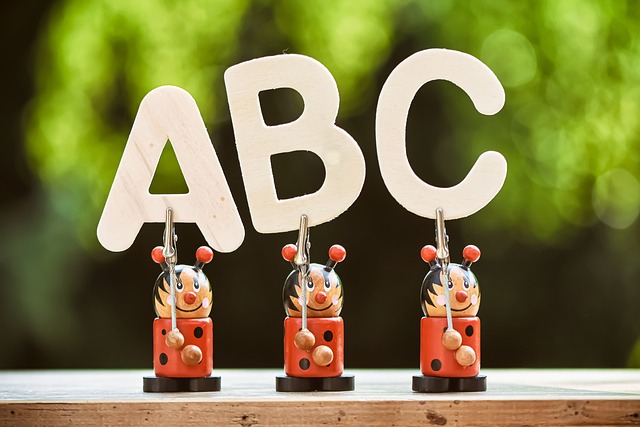
小学英语课堂活动主要包括以下几种:
一、BINGO游戏
BINGO游戏是一种寓教于乐的单词记忆活动。在游戏中,学生需要在本子上绘制一个3x3的格子,每个格子内填入一个听到的单词或单词的某个字母。老师随后随机念出三个单词,只要学生能将这三个单词正确地填写在一条直线上(水平、垂直或对角线),即可赢得游戏,获得一个BINGO。这种游戏不仅能激发学生的学习兴趣,还能有效检验他们对单词的掌握程度。
二、单词接力赛
单词接力赛是一种团队协作与单词记忆相结合的活动。将学生分为A、B两组,每组人数相等。游戏开始时,每组的第一个同学在黑板上写出一个单词,接着,本组的第二个同学需要以第一个单词末尾的字母作为下一个单词的首字母,继续写出第二个单词,且不能与之前写过的单词重复。在规定的时间内,哪一组写的单词多、拼写错误少、字迹工整,即为优胜者。这种活动能够锻炼学生的单词联想能力和团队协作能力。
三、单词竞赛
单词竞赛是一种竞争性的单词学习活动。将学生分成几个小组,教师根据分组数目在黑板上划分出相应的区域。
1. 大小声:我大声读,你小声读。
2. 举一反三:我读一遍,你跟读三遍。
3. 单词拍拍拍:我举起几个手指,你就读出对应的数字。
4. 炸弹:在练习单词时,选一个单词作为“炸弹”,在读单词时,含有“炸弹”的单词不能读出。
5. 手心手背:伸出手心不读,伸出手背读。
6. 金手指:我举起几根手指,你就读几遍。
7. 麦克风:通过采访形式提问,练习单词和句子。
8. 击鼓传球:边读单词或句子边传球,老师击鼓时停止,最后拿到球的学生站起来读单词或句子。
9. 抢椅子:边读单词或句子边绕椅子转,老师说停时,迅速抢到椅子者为胜。
10. 木头人:读句子同时做动作,老师说停时保持动作,其他人通过动作逗笑对方。
11. 说反语:我说“坐下”,你说“站起来”。
12. 小手枪:指向谁,谁就读下一个单词。
13. 寻宝藏:一名学生背对大家,藏好卡片或物品,大家读单词,寻宝学生接近宝藏时声音越大。
14. 萝卜蹲:用单词代替学生名字,轮流蹲。
15. 顶卡片:读句子同时用头顶卡片。
16. 互动记名字:给学生取一个新名字(单词),互相提问和回答。
17. 警察抓小偷:选一名背对大家的同学,其他同学读单词,两个“小偷”不发音。
18. 单词转转转:站好,每个人代表一个单词,读到哪个单词,就做出相应的动作。
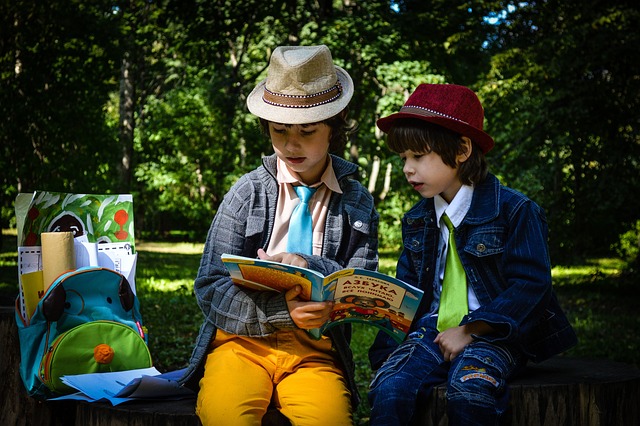
以上就是小学生英语课堂小游戏的全部内容,一、BINGO游戏 BINGO游戏是一种寓教于乐的单词记忆活动。在游戏中,学生需要在本子上绘制一个3x3的格子,每个格子内填入一个听到的单词或单词的某个字母。老师随后随机念出三个单词,只要学生能将这三个单词正确地填写在一条直线上(水平、垂直或对角线),即可赢得游戏,获得一个BINGO。内容来源于互联网,信息真伪需自行辨别。如有侵权请联系删除。