牛郎织女 英语?织女:英文称“weaver girl”,是天上的仙女,擅长织布,掌管天上的云霞。故事起源牛郎在老牛的指引下,取走了正在洗澡的织女的衣裳,织女无法返回天庭,牛郎归还衣裳后,两人互生情愫,结为夫妻。婚后,他们育有一儿一女,生活幸福美满。被迫分离织女下凡的事情被天帝(或王母娘娘)发现,天帝震怒,那么,牛郎织女 英语?一起来了解一下吧。
牛郎织女 [niú láng zhī nǚ]
the Cowherd and the Weaving Maid
这是详细的英文解释· (In a Chinese legend who, once a happy couple, become stars separated by the Milky Way. They can meet only once in a year when magpies fly together to form a bridge over the Milky Way.); a metaphor for a couple living separately; in different places; the Herd-boy and the Spinning Maid (mythical) lovers separated by the Milky Way -- husband and wife living apart:
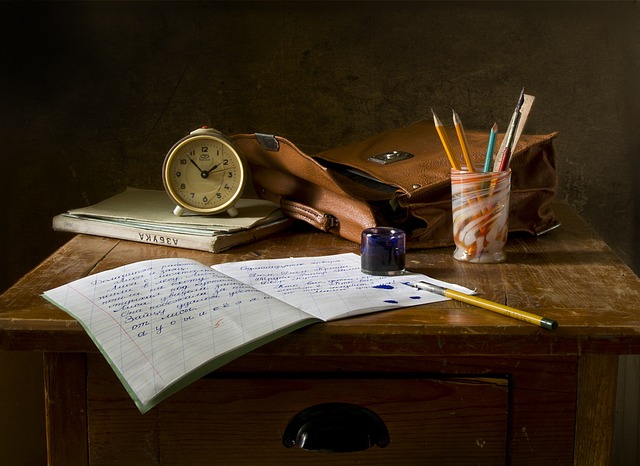
The story of Chinese Valentine's Day .In a Chinese legend, the Sun God had seven beautiful daughters. All his fairy daughters could weave beautiful clothes. One day, the seven fairies came down from heaven and were playing in a river. A cowherd walked by the river. He saw that the fairies had left their beautiful clothes on the shore, so he took one of them. His plan was to stop one of the fairies from flying back to their heaven palace.
He reasoned that the fairies needed to wear their beautiful clothes if they wanted to fly. When it was time to go home, the youngest fairy could not find her clothes. The other fairies put on their clothes and flew away. The youngest fairy was very sad and she started to cry. The cowherd saw this and offered to take her to his house. Because the cowherd took care of the fairy so well,she fell in love with him and married him.
The Sun God also blessed their marriage. After they were married, the fairy thougjt she did not need to weave again. The Sun God got so angry that he took his youngest daughter away from her husband. He never wanted to see the cowherd again.
From then on, the fairy weaver stayed in heaven, and the cowherd stayed on earth.They could only see each other once a year on July 7th on the lunar calendar.The birds felt so sad for this young couple that they made a bridge for the two to walk on.This bridge is known as the "Milky Way"
Only once a year, the couple could meet on the Milky Way.And they still love each other deeply.Now it is a tradition to celebrate Chinese Valentine's Day once a year on July 7th of the lunar calender.
七夕的英文表达为Qixi Festival、Chinese Valentine’s Day或Double Seventh Festival。
牛郎和织女的故事如下:
角色背景
牛郎:在故事中被称为“ox herd”,是一位勤劳善良的放牛青年,生活贫苦但心地纯朴。
织女:英文称“weaver girl”,是天上的仙女,擅长织布,掌管天上的云霞。
故事起源
牛郎在老牛的指引下,取走了正在洗澡的织女的衣裳,织女无法返回天庭,牛郎归还衣裳后,两人互生情愫,结为夫妻。
婚后,他们育有一儿一女,生活幸福美满。
被迫分离
织女下凡的事情被天帝(或王母娘娘)发现,天帝震怒,派天兵天将将织女捉回天庭。
牛郎无法割舍对织女的感情,在老牛的帮助下,用老牛的皮做成筏子,挑着儿女追赶织女。
鹊桥相会
就在牛郎即将追上织女时,王母娘娘拔下头上的金簪,在两人之间划出一条银河(milky way),将他们分隔两岸。
他们的爱情感动了喜鹊(magpie),无数喜鹊飞来,用身体搭成一座鹊桥,让牛郎和织女在每年的农历七月初七在鹊桥上相会一次。
Cowherd and Weaver Maid牛郎星和织女星
cowboy牛郎
Weaver织女
希望能够帮到你!
七夕的英文介绍
Double Seventh Festival
The Double Seventh Festival, on the 7th day of the 7th lunar month, is a traditional festival full of romance. It often goes into August in the Gregorian calendar
This festival is in mid-summer when the weather is warm and the grass and trees reveal their luxurious greens. At night when the sky is dotted with stars, and people can see the Milky Way spanning from the north to the south. On each bank of it is a bright star, which see each other from afar. They are the Cowherd and Weaver Maid, and about them there is a beautiful love story passed down from generation to generation.
Long, long ago, there was an honest and kind-hearted fellow named Niu Lang (Cowhand). His parents died when he was a child. Later he was driven out of his home by his sister-in-law. So he lived by himself herding cattle and farming. One day, a fairy from heaven Zhi Nu (Weaver Maid) fell in love with him and came down secretly to earth and married him. The cowhand farmed in the field and the Weaver Maid wove at home. They lived a happy life and gave birth to a boy and a girl. Unfortunately, the God of Heaven soon found out the fact and ordered the Queen Mother of the Western Heavens to bring the Weaver Maid back.
With the help of celestial cattle, the Cowhand flew to heaven with his son and daughter. At the time when he was about to catch up with his wife, the Queen Mother took off one of her gold hairpins and made a stroke. One billowy river appeared in front of the Cowhand. The Cowhand and Weaver Maid were separated on the two banks forever and could only feel their tears. Their loyalty to love touched magpies, so tens of thousands of magpies came to build a bridge for the Cowhand and Weaver Maid to meet each other. The Queen Mother was eventually moved and allowed them to meet each year on the 7th of the 7th lunar month. Hence their meeting date has been called "Qi Xi" (Double Seventh).
Scholars have shown the Double Seventh Festival originated from the Han Dynasty (206 BC-AD220). Historical documents from the Eastern Jin Dynasty (AD371-420) mention the festival, while records from the Tang Dynasty (618-907) depict the grand evening banquet of Emperor Taizong and his concubines. By the Song (960-1279) and Yuan (1279-1368) dynasties, special articles for the "Qi Xi" were seen being sold on markets in the capital. The bustling markets demonstrated the significance of the festival.
Today some traditional customs are still observed in rural areas of China, but have been weakened or diluted in urban cities. However, the legend of the Cowhand and Weaver Maid has taken root in the hearts of the people. In recent years, in particular, urban youths have celebrated it as Valentine's Day in China. As a result, owners of flower shops, bars and stores are full of joy as they sell more commodities for love.

以上就是牛郎织女 英语的全部内容,牛郎 [词典] cowboy; a cowboy; the cowherd in the legend “the Cowherd and the Girl Weaver”;cowpuncher;[例句]我迷路了,正好遇到一个放牛的牛郎,给我指了路。内容来源于互联网,信息真伪需自行辨别。如有侵权请联系删除。